For years, I believed a lie.
The lie was: “You need a website to make money online.” I thought I needed to buy a domain, learn coding, pay for hosting and design a logo before I could earn my first dollar. It felt like I needed to build a whole shopping mall just to sell one t-shirt.
But then I thought, “Wait. Girl Scouts sell cookies without a store. They just walk up to people.”
So, I decided to run an experiment. I challenged myself to sell products for 30 days without a website. No blog. No domain. Just me and my social media apps.
Spoiler alert: It worked. And it was actually fun.
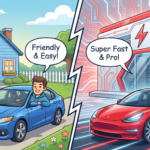
Think of a website like a Store. People have to drive to it, park and walk in. Social media is like a Tray. You take the product directly to where the people already are.
You don’t need to build the building. You just need to find the hungry people.
Here are the 3 experiments I ran, reviewed one by one.
Experiment 1: Pinterest
How I Did It: I signed up for the Amazon Associates program. I found a cool “Levitating Plant Pot” (because who doesn’t want floating plants?). Instead of writing a blog post, I just created a “Pin.”
- Image: A nice photo of the pot.
- Title: “This floating plant pot is magic!”
- The Link: I pasted my affiliate link directly into the “Destination Link” box.
The Result: Pinterest is unique because people go there to plan purchases. They are looking for ideas.
- Pros: It’s weirdly easy. Pins live forever (people can find them months later).
- Cons: You need good photos. If your photo is ugly, nobody clicks.
Verdict: ⭐⭐⭐⭐⭐ (5/5 for Beginners).
Experiment 2: YouTube / TikTok
How I Did It: I bought a cheap milk frother for my coffee. I filmed a 30-second video of me using it.
- The Script: “Guys, stop spending $5 at Starbucks. Look at this foam.”
- The Link: I couldn’t put a link on the video. So, I put it in my Bio (using a free tool like Linktree) and in the Comments.
- The Call to Action: “Link is in my bio!”
The Result: Video builds trust fast. When people saw the foam, they wanted it.
- Pros: High trust. If a video goes viral, you make bank.
- Cons: You have to be on camera (or be good at editing). You can’t put clickable links directly in TikTok videos until you have lots of followers.
Verdict: ⭐⭐⭐⭐ (4/5). High effort, high reward.
Experiment 3: Instagram DMs
How I Did It: I posted a Story about a book I was reading.
- The Text: “This book changed my life. Comment ‘BOOK’ if you want the link!”
- The Trick: I used a tool (like ManyChat) to automatically send the link to anyone who commented.
The Result: People love this because it feels personal. It feels like a friend recommending a book, not an ad.
- Pros: Engagement goes through the roof. The algorithm loves comments.
- Cons: Setting up the automation takes a few minutes to learn.
Verdict: ⭐⭐⭐ (3/5). Great for engagement but requires some setup.
Free Landing Pages
Some social media sites (like Facebook or Google Ads) hate direct affiliate links. They might ban you if you post them directly.
So, I used a cheat code.
I didn’t buy a website. I just used a free tool like Canva or Google Docs.
- I created a one-page PDF in Canva.
- I put a picture of the product and a big button saying “Buy on Amazon.”
- I shared the link to the Canva page instead of the Amazon link.
This keeps the social media platforms happy because you aren’t sending people away instantly. You are sending them to a “content” page first.
After 30 days, I realized something.
I didn’t need a “Home Base.” I was the Home Base.
People didn’t buy the milk frother because of a fancy website. They bought it because I showed them it worked. They bought the book because I liked it.
Your personality is the only website you need to start.